
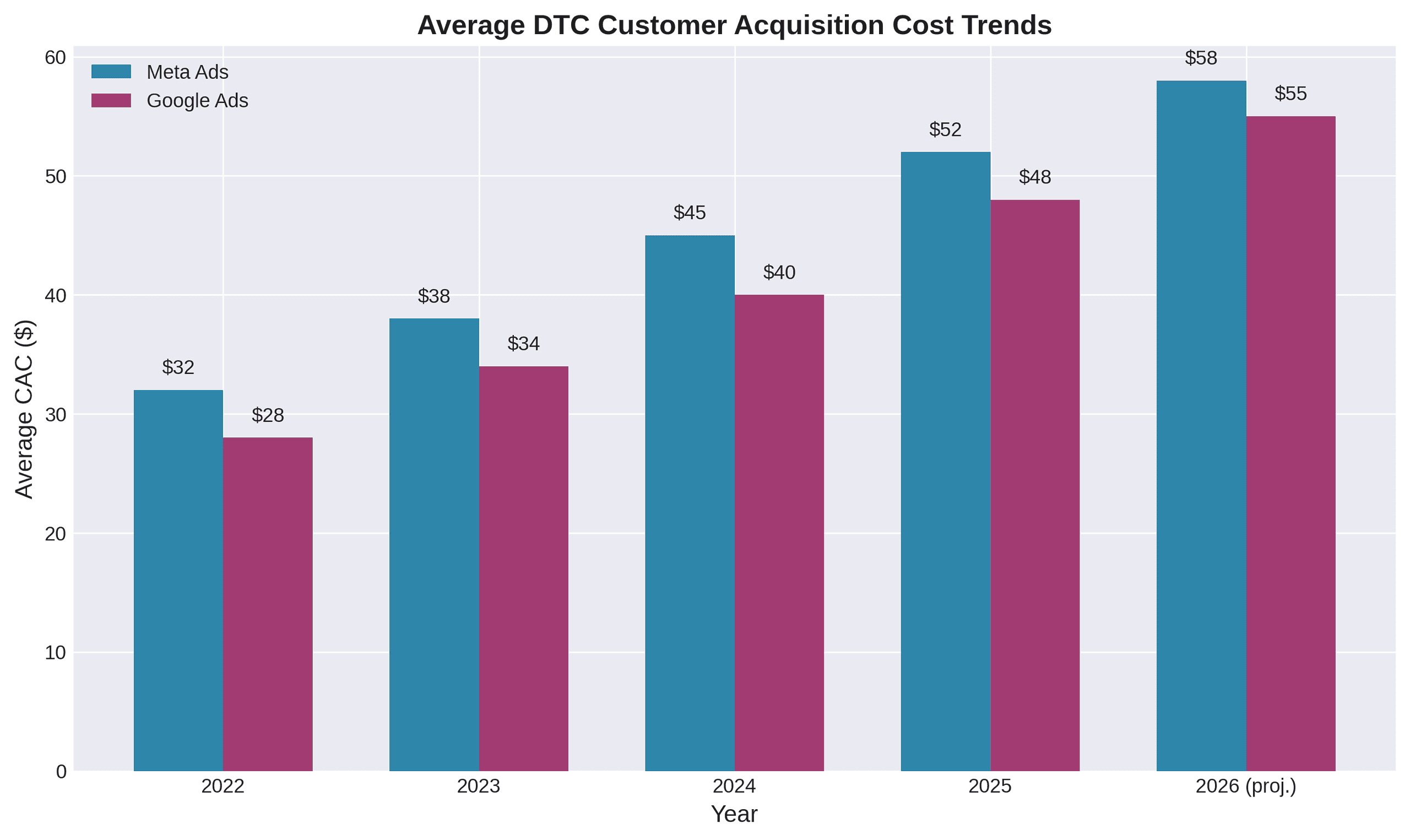
Rising acquisition costs are squeezing ecommerce margins tighter every quarter. With the average CAC for DTC brands climbing past $50 on Meta and Google, the math is simple: you cannot scale profitably without getting more value from the customers you already have. An ecommerce loyalty program is one of the most effective tools to do exactly that, yet most brands either skip it entirely or launch a generic points program that collects dust.
In this guide, we break down how high-performing DTC brands structure their loyalty programs to drive measurable increases in LTV, repeat purchase rate, and retention, along with real examples, expert insights, and the data behind what actually works.
Why Ecommerce Loyalty Programs Are No Longer Optional
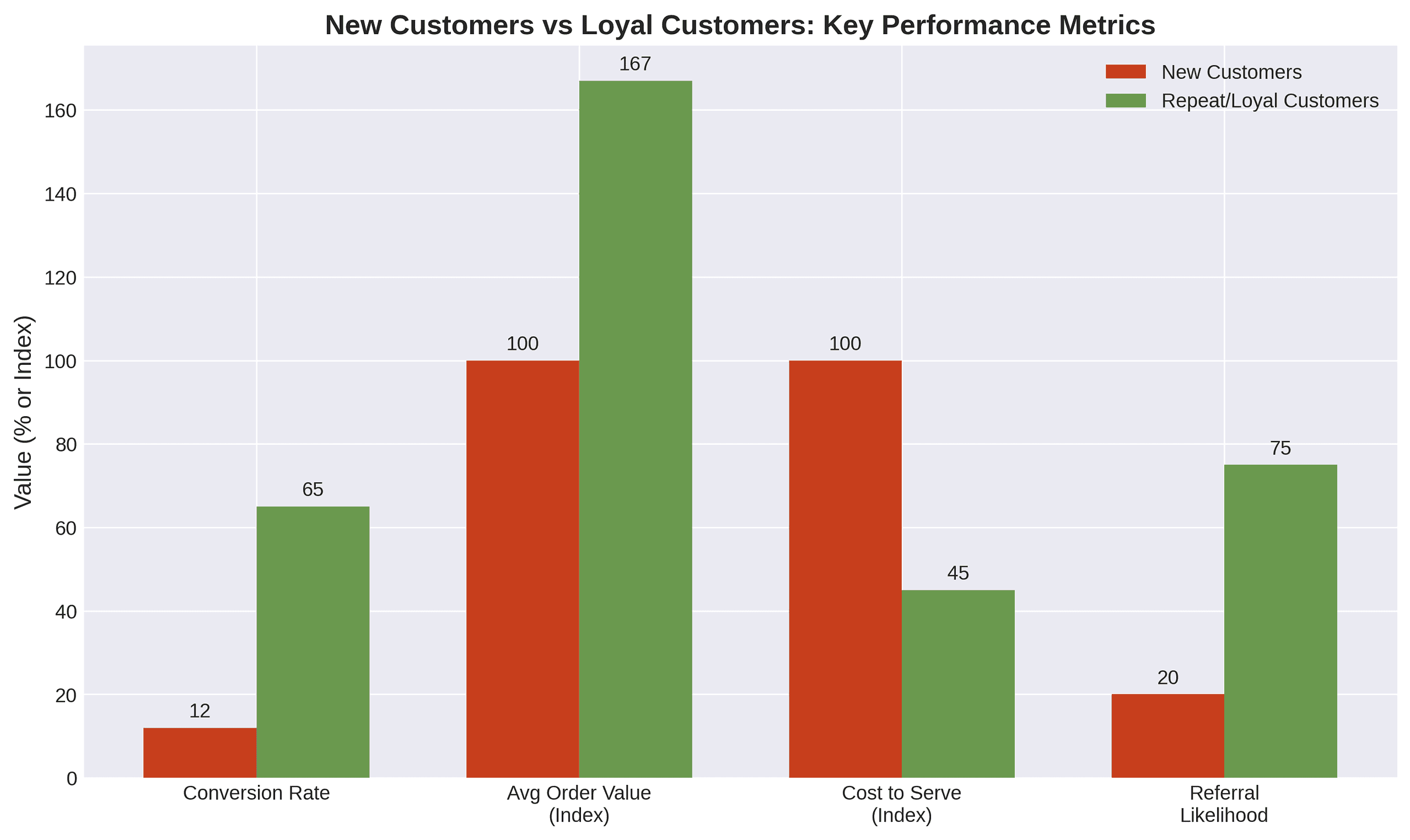
The retention economics are hard to ignore. According to research from Bain & Company, a 5% increase in customer retention can boost profits by 25% to 95%. Existing customers convert at a rate of 60-70%, compared to just 5-20% for new prospects, and they spend roughly 67% more than first-time buyers after their third purchase.
“Loyalty is no longer just about points and discounts. It’s about creating emotional connections that make customers feel valued beyond the transaction.” – Adam Posner, CEO, The Point of Loyalty
Data from Smile.io, which powers loyalty programs for over 100,000 merchants, shows that SMBs processing 500 to 5,000 monthly orders saw a 23.93% year-over-year growth in loyalty-generated revenue. That is not marginal, that is a growth lever.
For DTC brands still relying solely on customer acquisition channels, the writing is on the wall. Paid media costs keep climbing while iOS privacy changes erode targeting precision. A well-structured loyalty program creates a defensible, owned-channel advantage that compounds over time.
Structuring a Tiered Loyalty Program That Actually Drives Behavior
Flat points-per-dollar programs are table stakes. The brands seeing the strongest results use tiered structures that create aspirational milestones and unlock progressively better rewards.
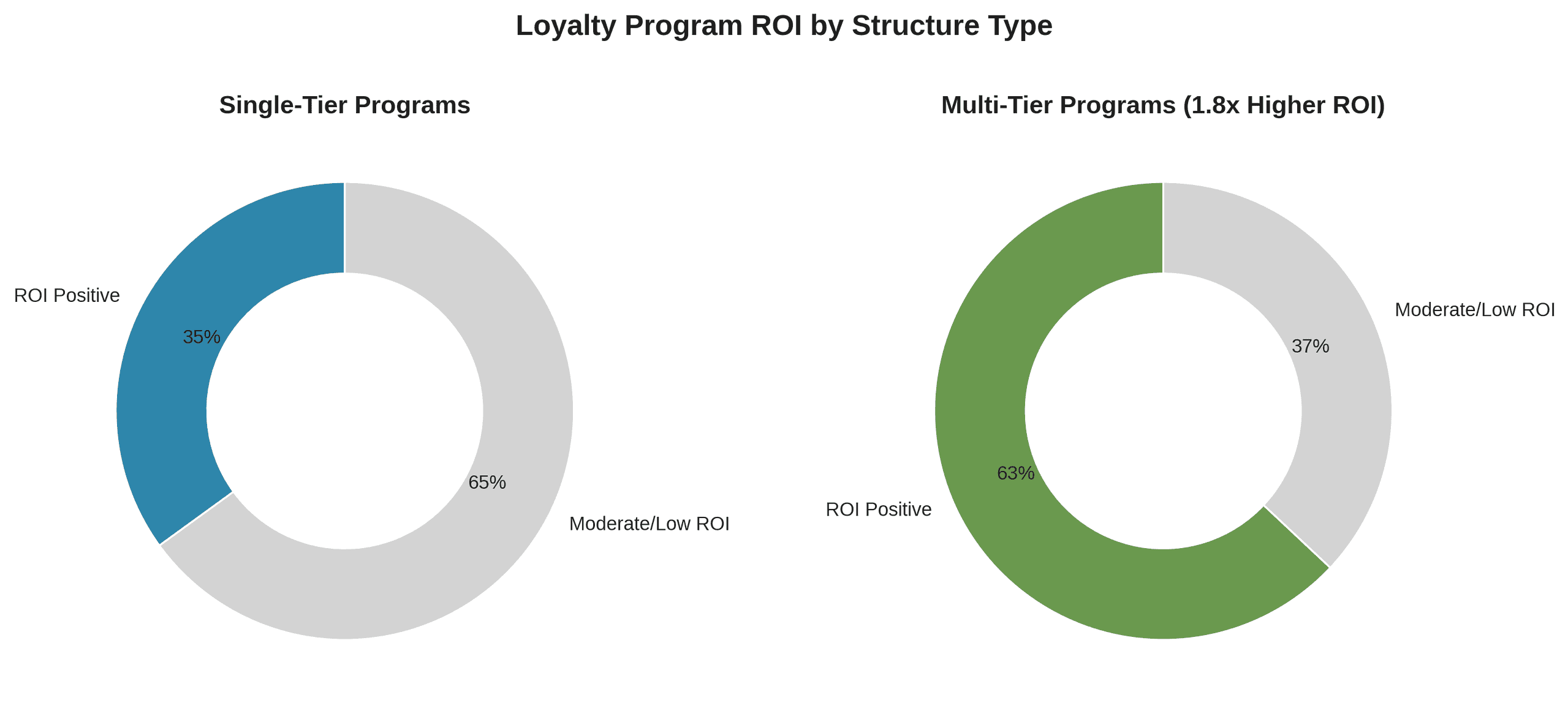
Research shows that tiered loyalty programs achieve 1.8x higher ROI than single-tier alternatives. The psychology is straightforward: when customers can see the next tier and the benefits it unlocks, they spend more to get there.
A proven three-tier structure looks like this:
- Base tier (all members): Earn 1 point per dollar, birthday rewards, and early access to sales
- Silver tier (after $300 spent): 1.5x point multiplier, free shipping, exclusive product previews
- Gold tier (after $750 spent): 2x points, free returns, VIP customer service, members-only products
The key is making each tier feel meaningfully different. If the jump from base to silver only saves a customer $5 on shipping, there is no real motivation to change behavior. The best programs create genuine exclusivity at higher tiers, whether that is access to limited-edition products, dedicated support, or significant point multipliers.
Brands running on Shopify can explore how increasing Shopify conversion rate and loyalty program integration work together to maximize revenue per visitor.
Subscription and Autoship Models: The Retention Powerhouse
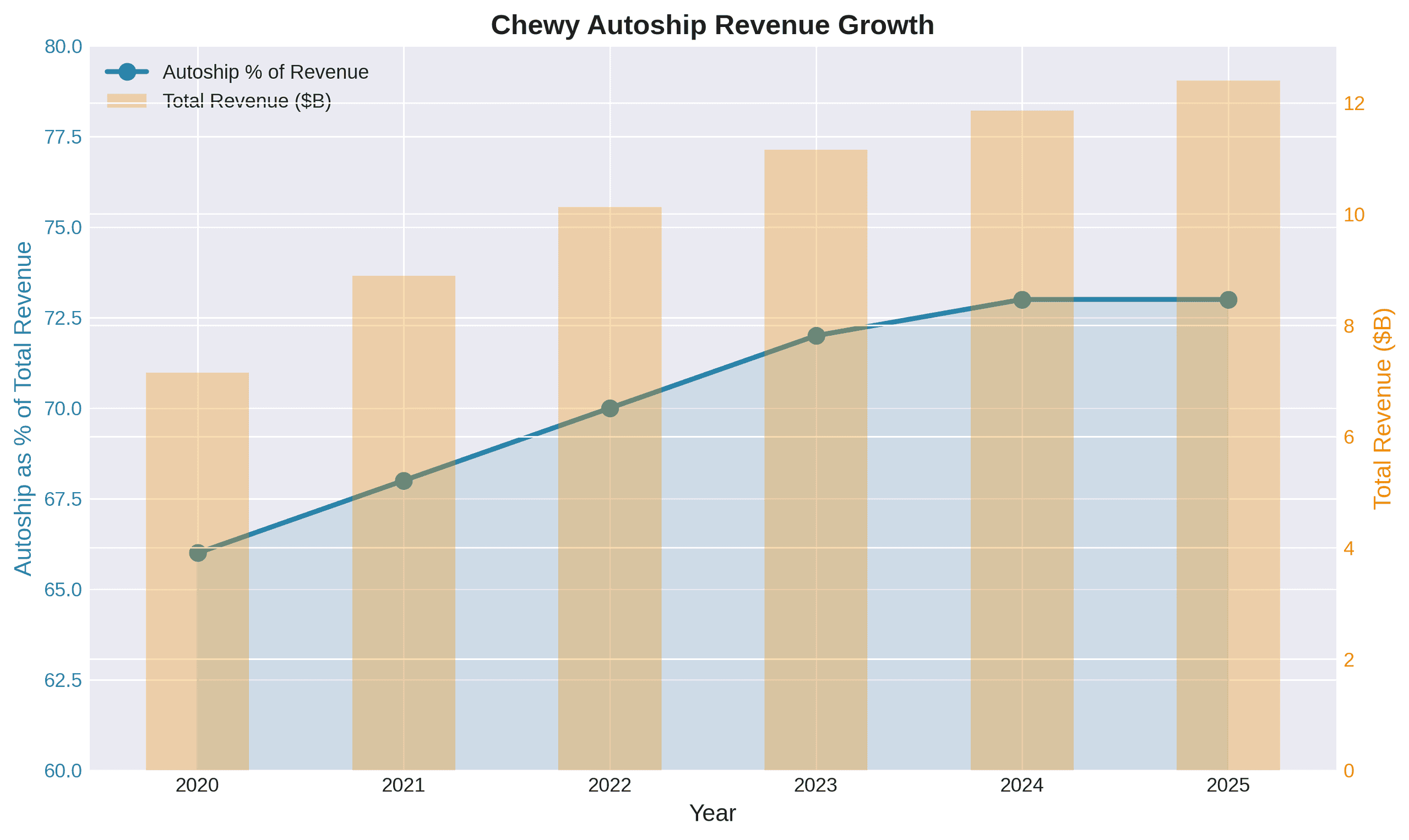
Chewy provides the clearest proof that subscription-based loyalty works at scale. Their autoship program now accounts for approximately 73% of total revenue, creating a predictable, recurring revenue stream that most DTC brands would envy.
“If we can build significant increases in LTV, it can justify small increases in CAC targets while giving us more room to scale quicker.” – Andrew Maff, Founder, BlueTuskr
Subscription and autoship models work because they remove friction from repeat purchases entirely. For consumable products like supplements, pet food, skincare, and coffee, the customer sets it and forgets it. The brand gets predictable revenue with dramatically lower cost-to-serve on repeat orders.
To make autoship work, offer genuine incentives: 10-15% savings on subscription orders, flexible delivery schedules, easy pause and cancel options. Customers who feel trapped churn fast. Customers who feel they are getting a deal and convenience stay for years.
DTC brands in beauty and skincare can combine subscription models with the retention strategies outlined in our skincare marketing guide for particularly strong results.
Leveraging Email and SMS to Maximize Loyalty Program Engagement
A loyalty program only works if customers know about it and engage with it regularly. This is where email marketing becomes critical, yet most brands treat loyalty emails as an afterthought.
“The brands that win at retention aren’t just running points programs, they’re building ecosystems where email, SMS, loyalty, and community all reinforce each other.” – Shane Barker, CEO, TraceFuse
High-performing loyalty email flows include:
- Welcome series: Introduce the program immediately post-purchase with clear point balance and next-reward proximity
- Points expiration reminders: Create urgency without being aggressive, a 30-day and 7-day reminder sequence works well
- Tier upgrade notifications: Celebrate milestones and show what the next tier unlocks
- Exclusive member content: Share early access, behind-the-scenes content, or member-only offers
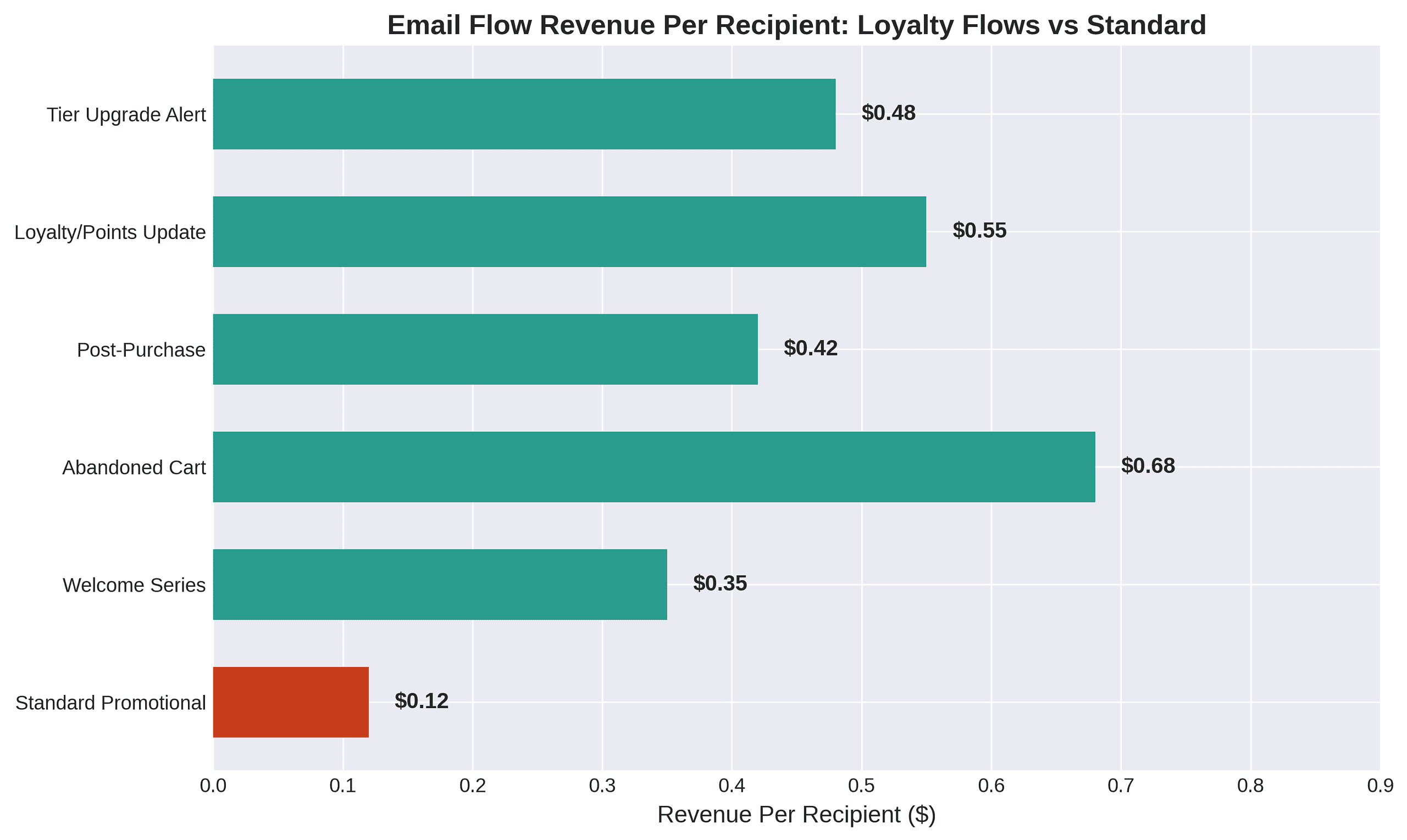
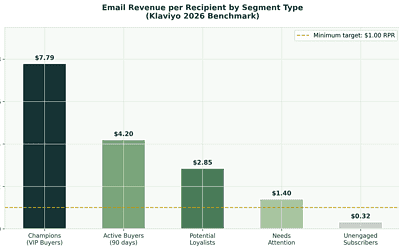
According to Klaviyo data, loyalty-triggered email flows generate 3-5x higher revenue per recipient compared to standard promotional sends. Brands using Klaviyo for ecommerce can set up automated loyalty flows that run without manual intervention.
SMS adds another engagement layer. Quick point balance updates, flash member-only deals, and tier upgrade alerts via text see open rates above 90%, making SMS ideal for time-sensitive loyalty communications.
Measuring What Matters: Loyalty Program KPIs
Too many brands launch a loyalty program and then only track enrollment numbers. Enrollment means nothing if members are not actively engaging and spending more. The metrics that actually indicate program health include:
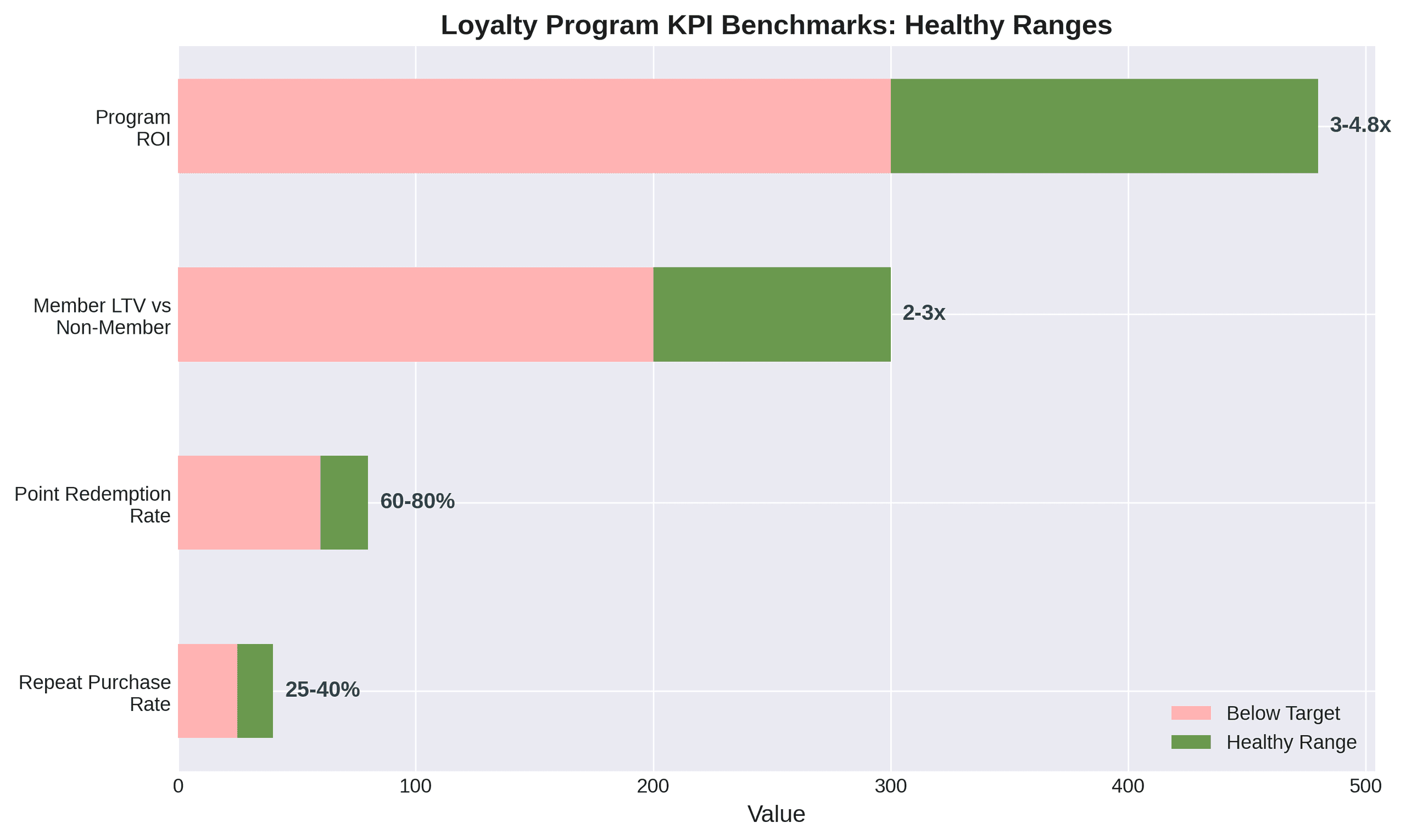
- Repeat purchase rate: Target 25-40% for most DTC verticals
- Customer lifetime value (LTV): Loyalty members should have 2-3x higher [LTV](/shopify-ltv/) than non-members
- Redemption rate: Healthy programs see 60-80% point redemption. Below 40% signals disengagement
- Program ROI: 90% of loyalty program owners report positive ROI, with an average return of 4.8x according to Antavo’s Global Customer Loyalty Report
Track these monthly and segment by tier. If your Gold members are not spending significantly more than Base members, your tier incentives need reworking.
Common Mistakes That Kill Ecommerce Loyalty Programs
After working with dozens of DTC brands on retention strategy, we see the same mistakes repeatedly:
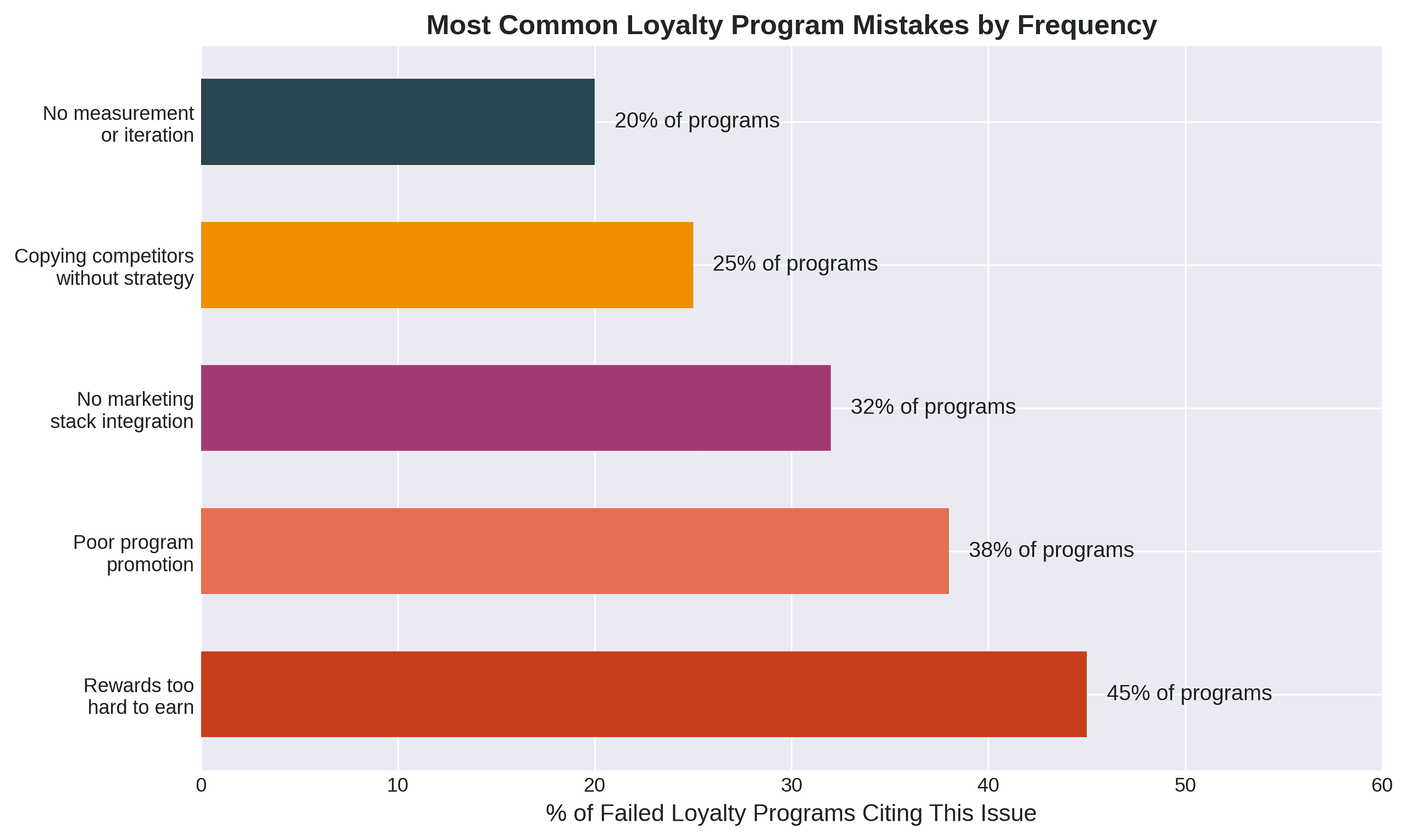
Making rewards too hard to earn. If a customer needs to spend $500 to earn a $5 discount, the program feels worthless. The first reward should be achievable within 1-2 purchases.
Ignoring program promotion. Your loyalty program should be visible on your product pages, in your checkout flow, in post-purchase emails, and across your site. Treat it like a product launch, not a footnote.
Copying competitors without strategy. Just because your competitor uses points does not mean points are right for your brand. Experiential rewards, early access, and community perks often outperform discounts for premium brands.
Not integrating with your full marketing stack. Your loyalty data should feed into your email marketing KPIs, your ad targeting via first-party data, and your overall omnichannel strategy. Siloed loyalty programs leave money on the table.
Getting Started: Your Ecommerce Loyalty Program Roadmap
Launching a loyalty program does not need to be overwhelming. Start with these steps:
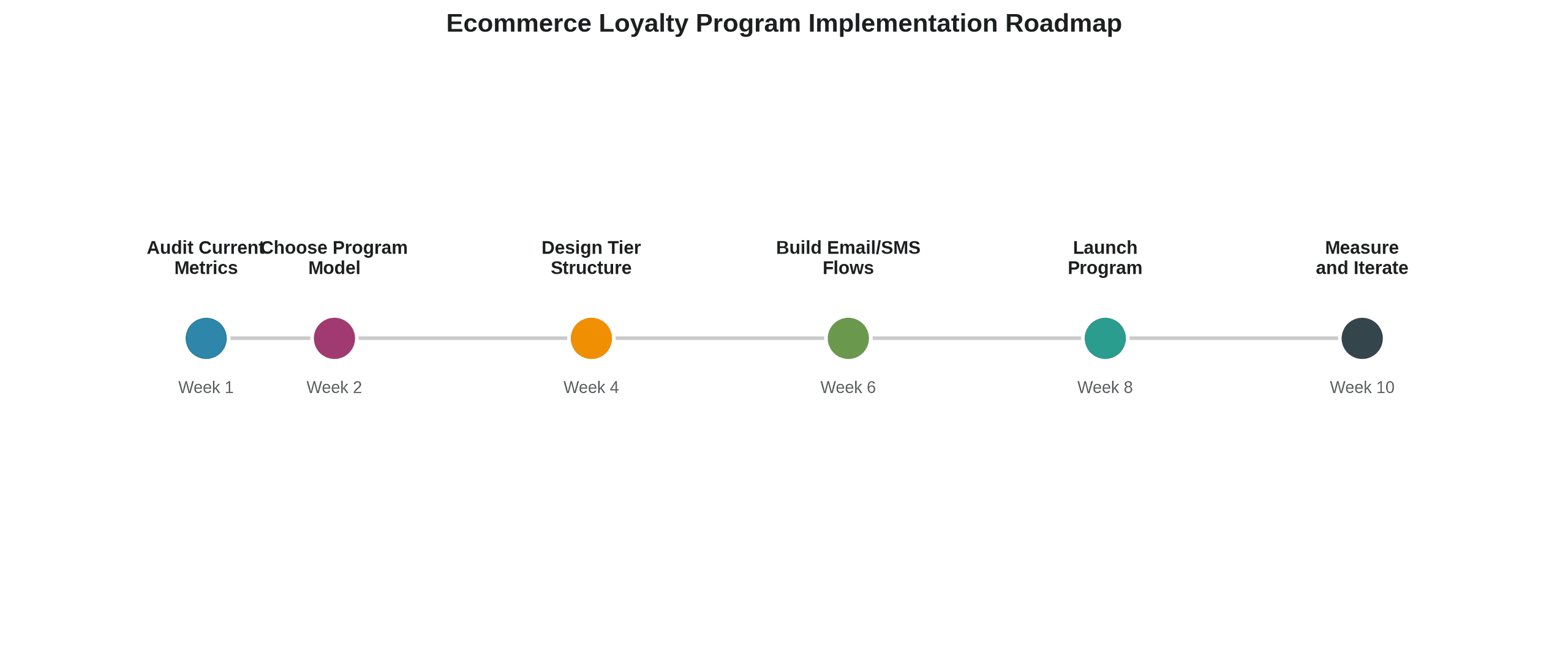
- Audit your current retention metrics. Know your baseline repeat purchase rate, LTV, and average order frequency before launching anything.
- Choose your program model. Points-based, tiered, subscription, or hybrid. Match the model to your product type and purchase frequency.
- Set clear, achievable milestones. The first reward should come within 1-2 purchases. Make early wins easy.
- Integrate with email and SMS from day one. Automated flows for welcome, points updates, and tier upgrades are non-negotiable.
- Measure and iterate monthly. Track redemption rate, repeat purchase rate, and member LTV. Adjust tier thresholds and rewards based on actual behavior data.
The brands that treat loyalty as a core growth channel, not a marketing add-on, consistently outperform those that rely solely on acquisition. With rising CAC and shrinking ad margins, building a loyal customer base is no longer a nice-to-have. It is the foundation of profitable, sustainable growth.
Ready to build a retention engine that compounds? Book a growth strategy call with our team to map out a loyalty and retention plan tailored to your brand.

Insightful and data-driven guide! I like how it clearly shows why loyalty programs are essential, not optional, especially with rising CAC. The practical breakdown of tiers, subscriptions, and KPIs makes it very actionable for DTC brands aiming for sustainable growth.