
25 Outdoor & Adventure Brand Ads That Are Actually Working Right Now
Real outdoor and adventure ads pulled from Meta’s Ad Library while they were still running — with the creative format, the offer structure and the objection each one is handling, broken down card by card.
- ✅ Only active ads clear of Meta’s “low impression count” flag — our proxy for “this is actually working”
- 🎯 No plain product-only catalog shots — every ad here has a real hook, story, or design idea
- 📋 Shown for education & inspiration only — property of their respective brands, no affiliation implied
- ✉ Featured here and want an ad removed or credited differently? Contact us
What makes an outdoor or adventure ad actually convert?
Outdoor is the category where studio polish works against you. In beauty a controlled shot signals quality; in outdoor it signals that nobody took the product outside. The brands below are selling equipment people intend to trust in weather, at altitude, or three days from a road — so the ad’s job is not to look premium, it is to be evidence. Across all 25 ads here the pattern holds: the creative either demonstrates the claim or it defers to a number.
The environment is the proof
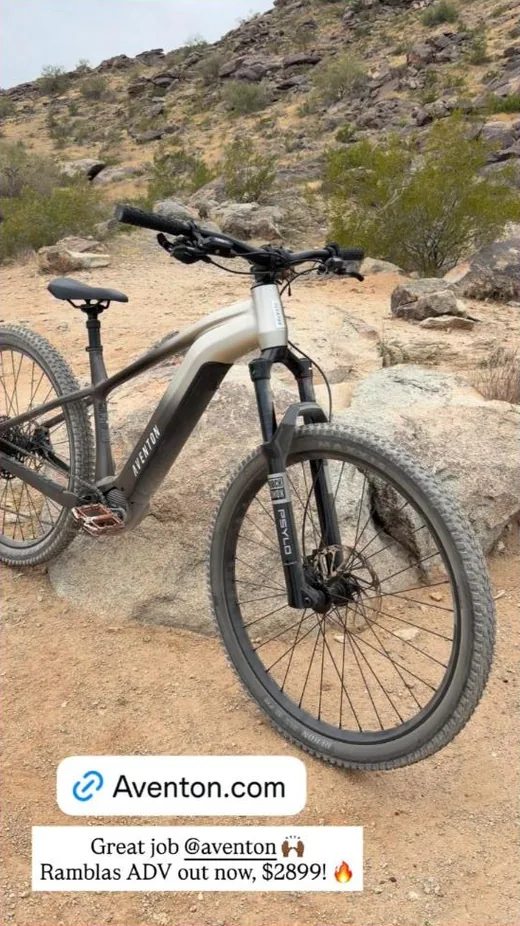
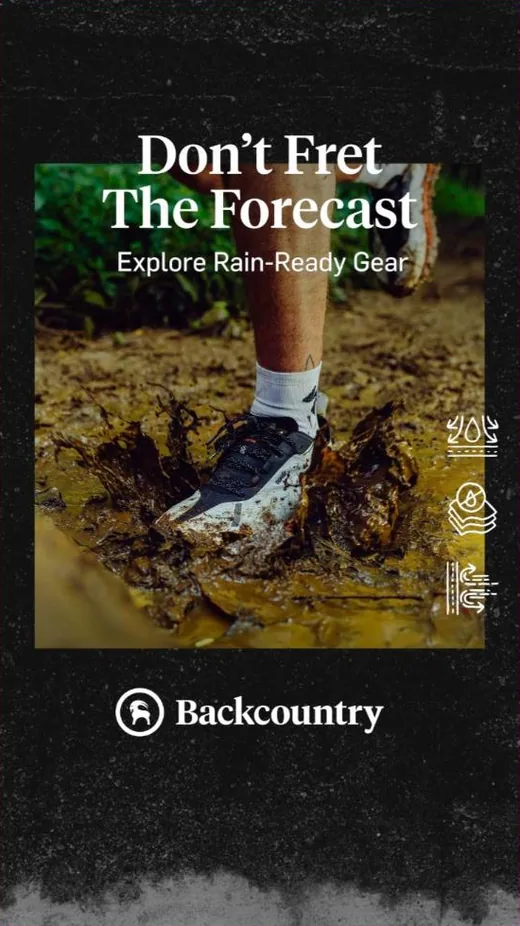
A jacket photographed on a seamless backdrop makes a claim. The same jacket photographed in sleet demonstrates one. Outdoor buyers read the setting as a test result, which is why so many of these ads spend their frame on conditions rather than on the product.
A spec outsells an adjective
This is the most spec-literate consumer category in DTC. Buyers compare fill power, denier, watt-hours and litres the way other shoppers compare price. “Durable” is worth nothing here; a number you can check is worth a click.
The trip is the segment
There is no single outdoors audience. A thru-hiker counting grams, a family car camping twice a summer and a parent on a touchline want opposite things. The ads that work name the trip, and let the trip do the targeting a demographic cannot.
Demonstration beats description
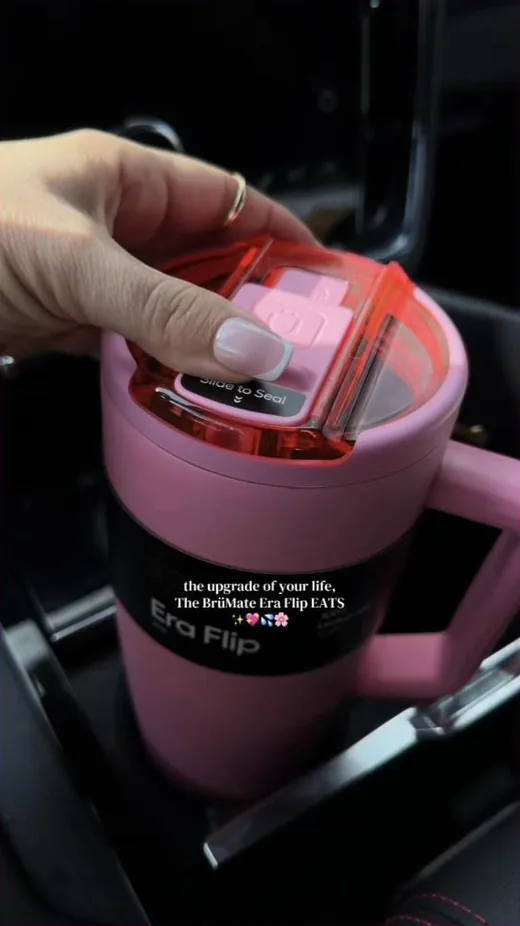
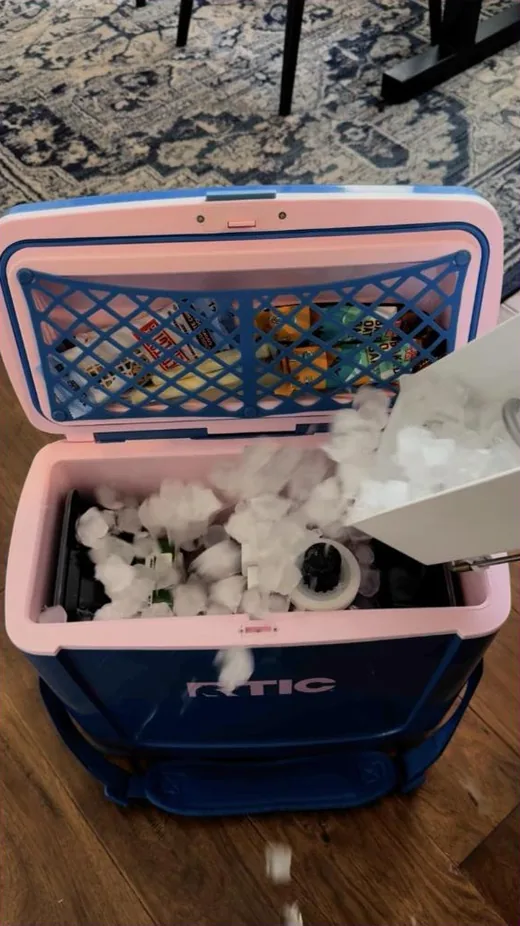
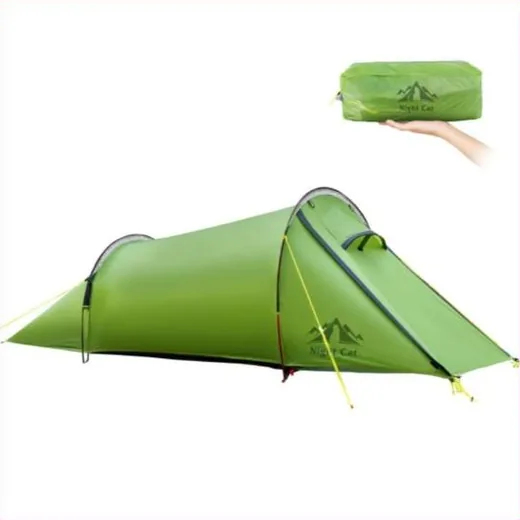
Almost every strong card here shows one thing happening: ice going in, a lid sealing, a jacket crushed into a fist, a tent in its sack beside itself pitched. Outdoor claims are physical, and physical claims are cheap to film and expensive to argue with.
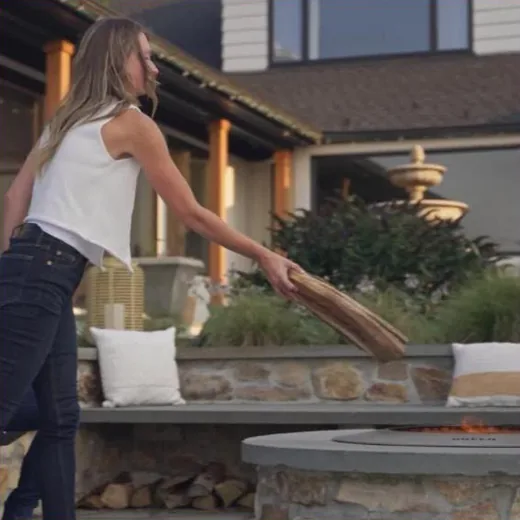
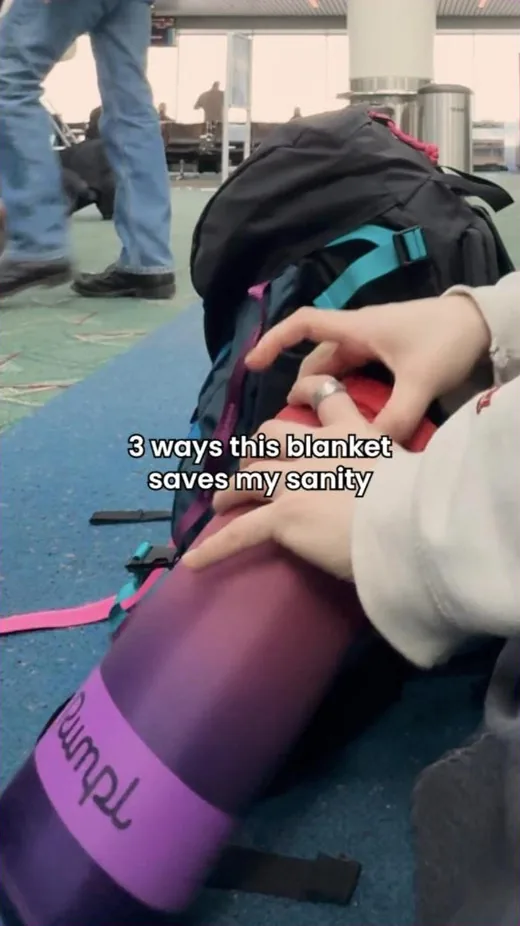
Read the cards below for the mechanism, not the aesthetic. Nearly every ad here is doing one of four things — proving a claim with conditions, replacing an adjective with a number, naming a specific trip, or demonstrating a single moving part.
Outdoor & adventure ad do’s and don’ts
Do
- Shoot the product in the conditions it is built for, not on a backdrop
- Put the number in the creative: litres, watt-hours, fill power, price
- Film one mechanism working — a seal, a zip, a fold, a compression
- Name the trip rather than the demographic
- Show packed size next to used size for anything that has to be carried
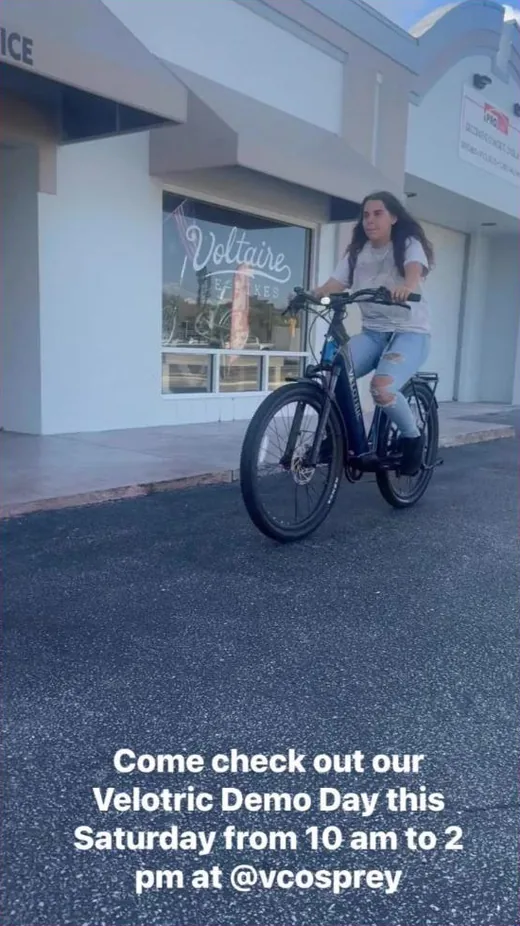
- Fund your retailers to advertise demo days for anything bought unseen
Don’t
- Don’t put technical gear on a seamless studio sweep
- Don’t say “adventure” without showing one
- Don’t run a landscape so wide the product has disappeared
- Don’t bury the spec in the caption where most of the scroll never reads it
- Don’t open a video on a brand bumper — the first frame is the ad
- Don’t treat “people who like the outdoors” as an audience





New to the category?
These are the ads. If you want the strategy behind them — positioning, seasonality, audience segmentation and creative testing — see how we run paid social for outdoor brands.
Explore more
Frequently Asked Questions
What makes an outdoor or adventure ad convert?
Evidence. Outdoor buyers are unusually spec-literate and unusually sceptical, so the creative that performs either demonstrates a physical claim on camera or replaces an adjective with a number they can verify. Ads that simply look aspirational tend to generate cheap reach and expensive customers.
Should outdoor brands run discounts?
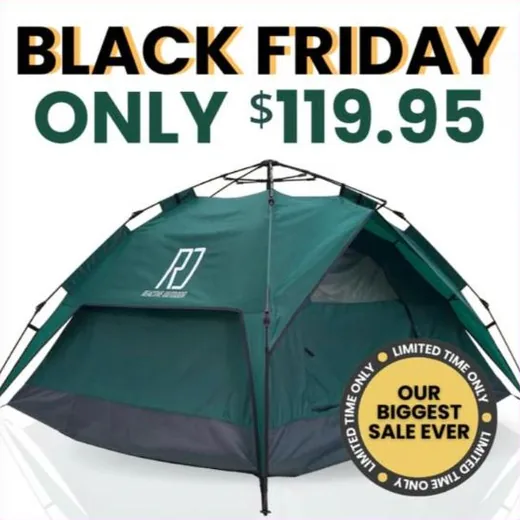
It depends entirely on whether you have equity to protect. An established brand that sells “buy once” and then runs 30% off has argued against itself. A newer brand nobody has heard of has no such problem — and you can see that split on this page, where the price-led static and the no-copy lifestyle ad are both running successfully at opposite ends of the market.
Does user-generated content work for technical gear?
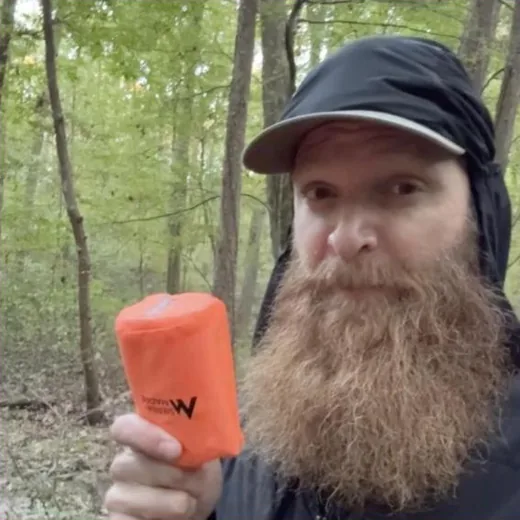
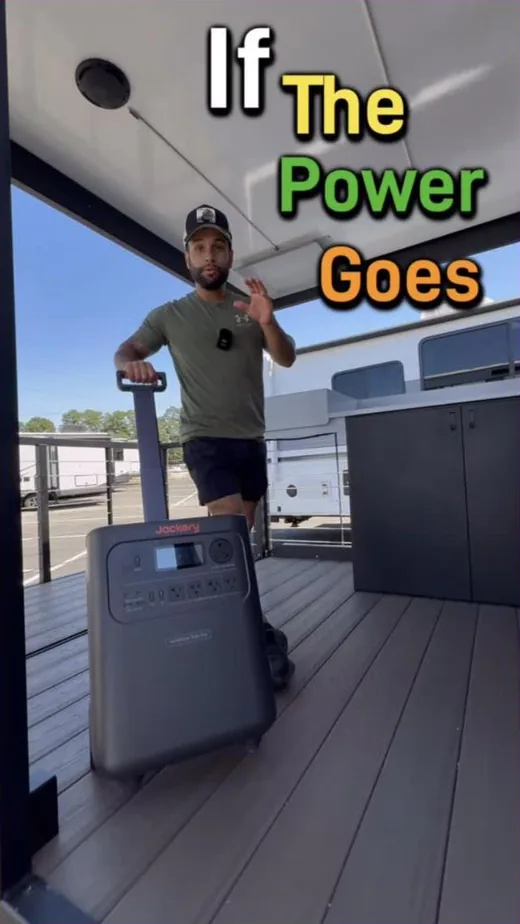
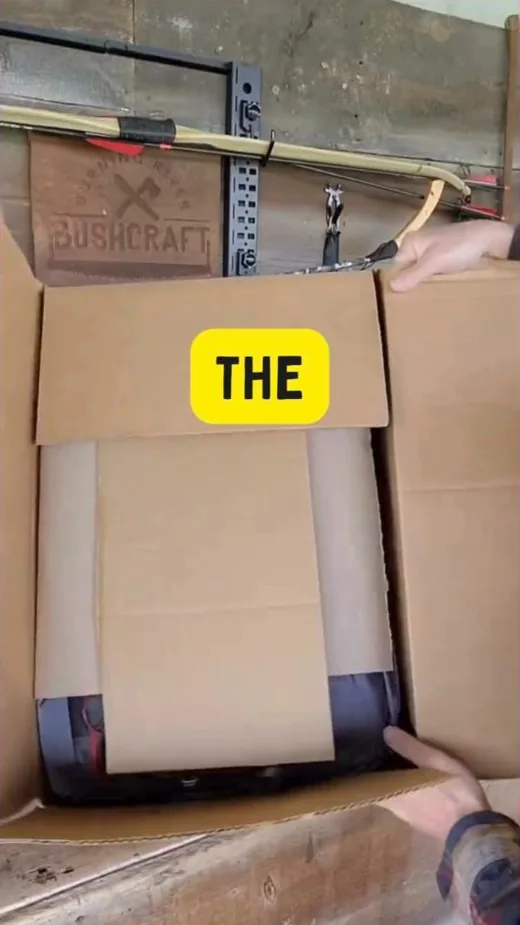
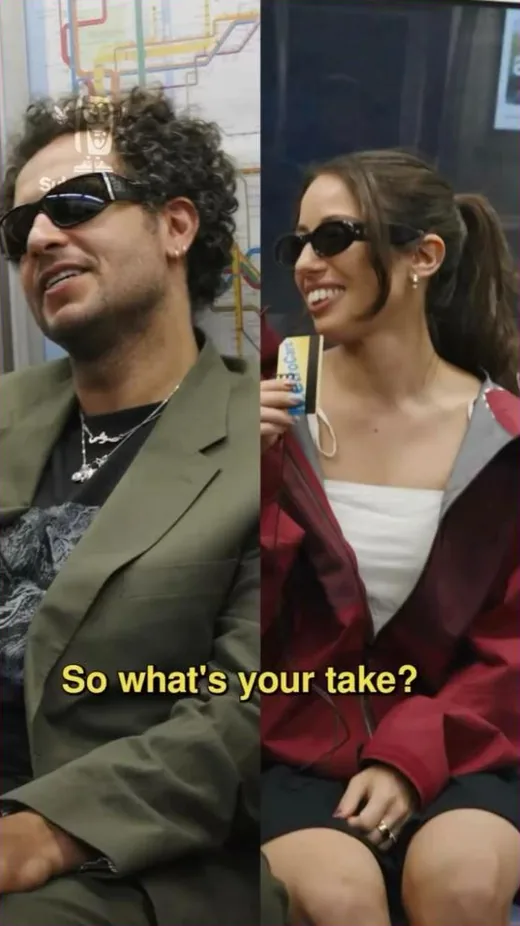
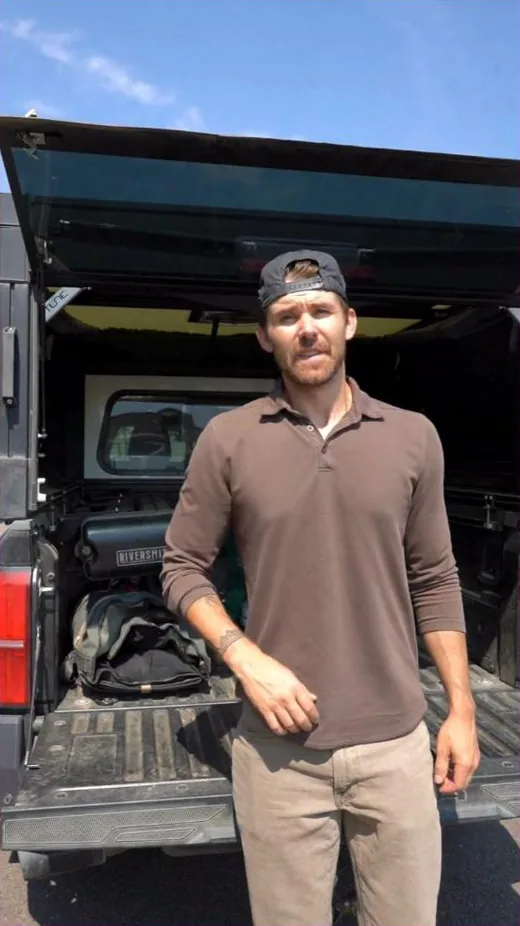
It is the dominant format here — roughly three quarters of these ads are video, and most of those are shot on a phone by a creator or a founder rather than a crew. The reason is credibility: a person holding the product in the rain is a durability claim that costs nothing to make and is very hard to disbelieve.
Video or static for outdoor gear ads?
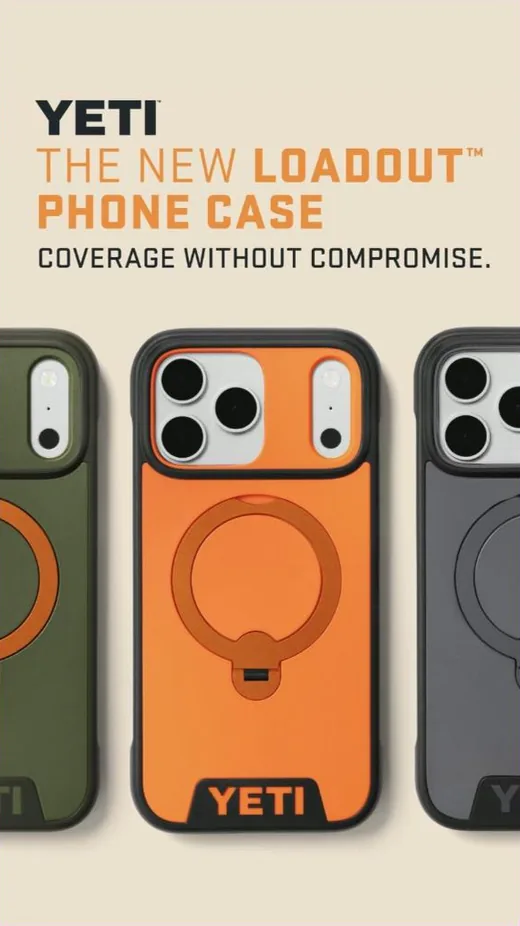
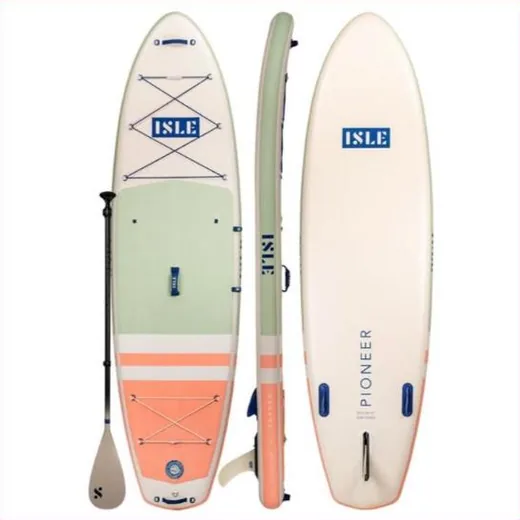
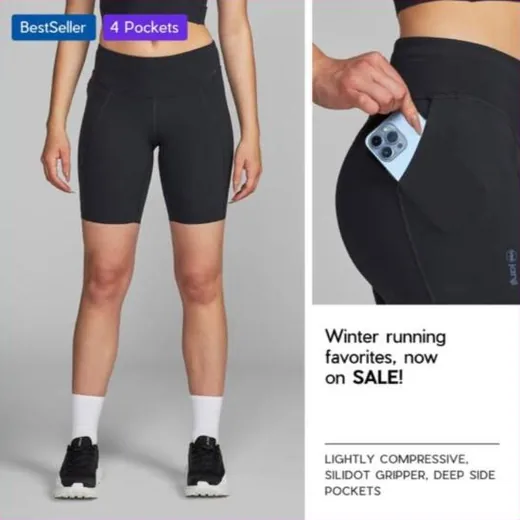
Video for anything with a moving part or a claim you can demonstrate, static for anything bought by comparison. The paddleboard shown from three angles on white and the running shorts shown with the pocket in use are both statics doing a job video would do worse.
How do you advertise high-ticket technical gear?
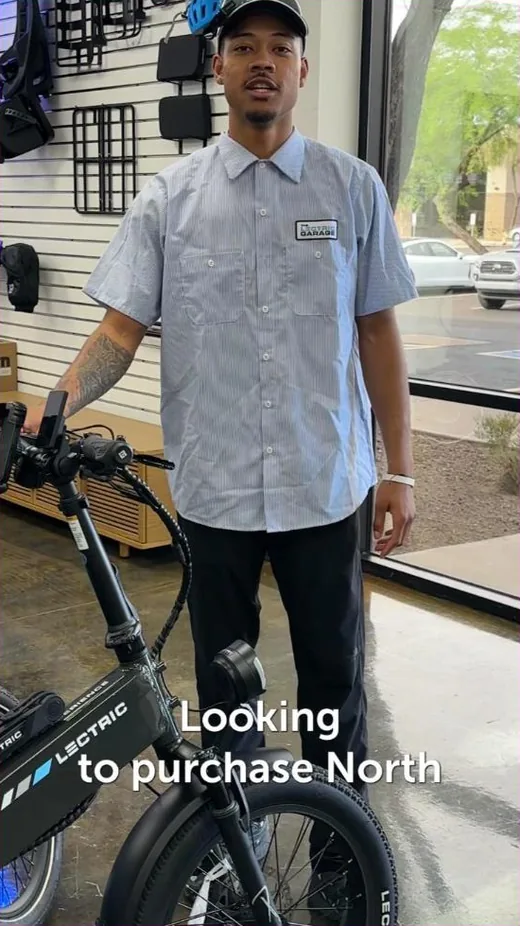
Reduce the risk rather than the price. The four-figure products in this set sell through a person answering a specific question on camera, through a local dealer advertising a demo day, or through borrowed trust from a creator or a media format the buyer already follows.
Where do these ads come from, and how often is this page updated?
Every ad here was pulled from Meta’s public Ad Library while it was still running, and each card links back to that advertiser’s library so you can check what else they are testing. We refresh the page regularly and swap out anything that has stopped running.
Free tools to plan your next campaign
Got the creative direction from the ads above? Use these free calculators to plan the budget and forecast the numbers behind it — no signup required.
Want ads like this for your outdoor brand?
We build and run paid social and email/SMS for eCommerce outdoor and adventure brands — from creative and media buying to Klaviyo flows.
Book a Call